Meet the animals
Ages 5–8 · 30 min
- Show four fact cards.
- Children pick a favourite and draw it in its home.
- Share: what does your animal need to stay safe?
For teachers
Free, ready-to-use resources built around 17 critically endangered animals — lessons by age, discussion prompts, fact cards, a quiz and a printable pack.
Teacher guide, two printable worksheets, fact cards for all 17 animals and a quiz answer key.
Ages 5–8 · 30 min
Ages 8–11 · 45 min
Ages 9–13 · 45 min
Ages 11–16 · 50 min
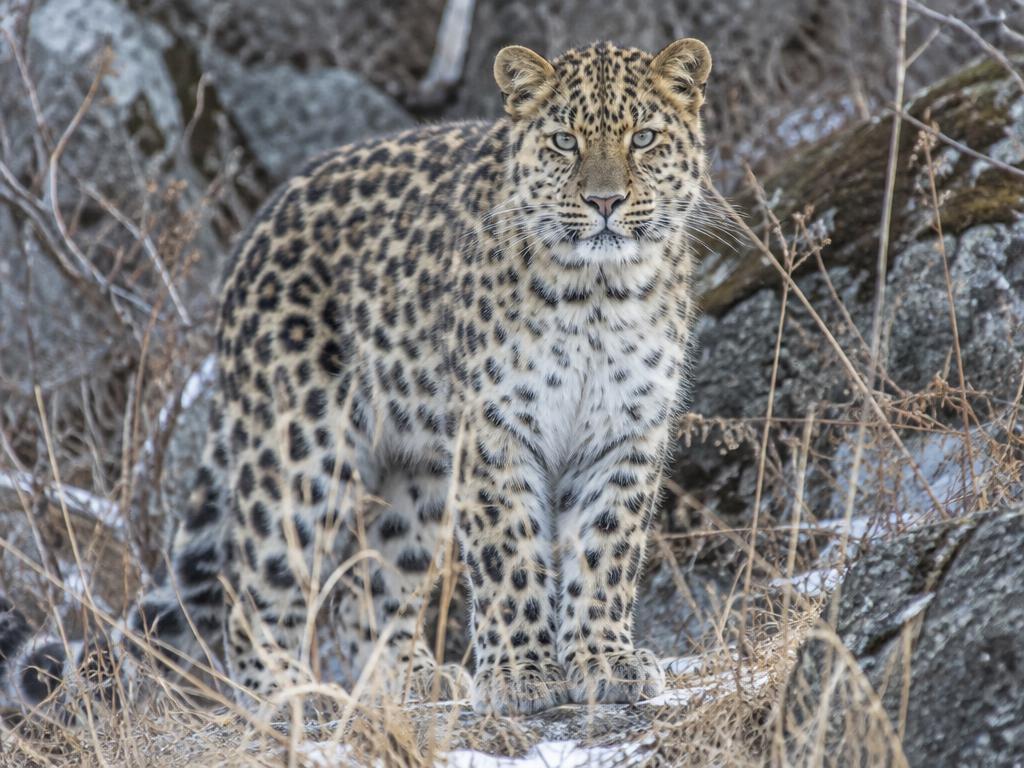
Panthera pardus orientalis
Habitat: Temperate forests · East Asia
Threats: Poaching, reduced prey and habitat loss or fragmentation.
How to help: Support forest protection, wildlife corridors and anti-poaching programmes.
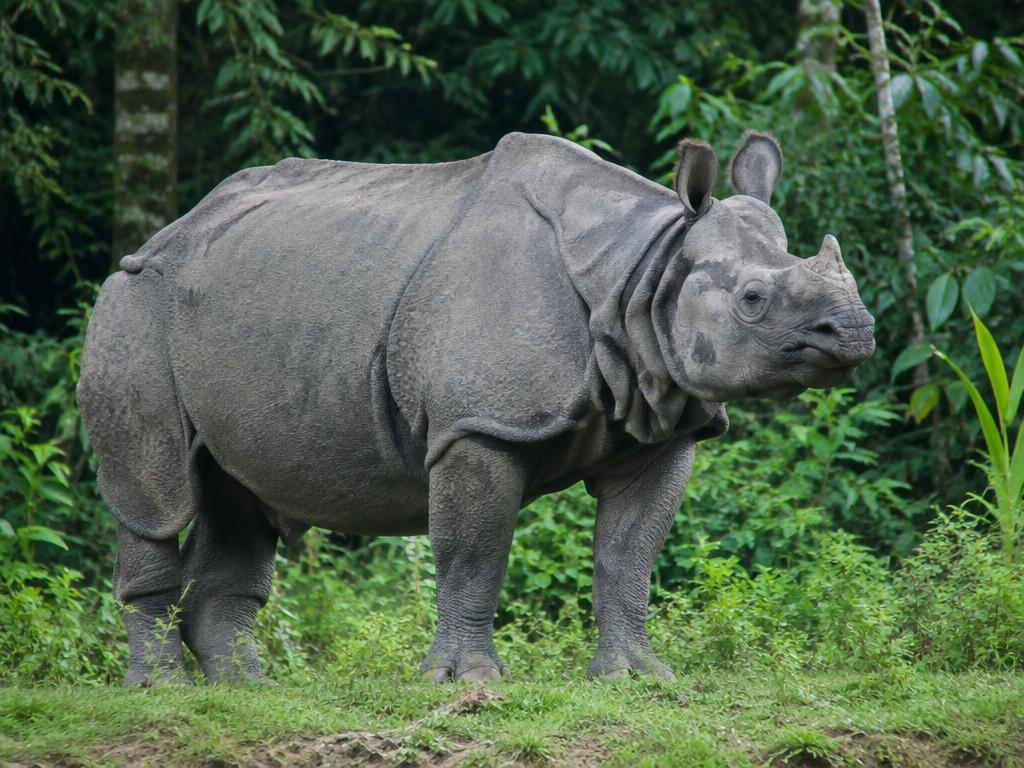
Rhinoceros sondaicus
Habitat: Tropical forest · Indonesia
Threats: Poaching risk and the vulnerability of a species concentrated in a single area.
How to help: Support habitat protection, ranger programmes and wildlife monitoring.

Eretmochelys imbricata
Habitat: Coral reefs · Tropical oceans
Threats: Tortoiseshell trade, fishing-gear bycatch and damage to nesting and feeding habitats.
How to help: Avoid tortoiseshell products and support protected nesting beaches and safer fishing practices.

Panthera tigris sondaica
Habitat: Tropical rainforest · Sumatra, Indonesia
Threats: Poaching for the illegal wildlife trade, habitat loss and declining prey.
How to help: Support anti-poaching patrols and projects that protect forest corridors and reduce human–tiger conflict.
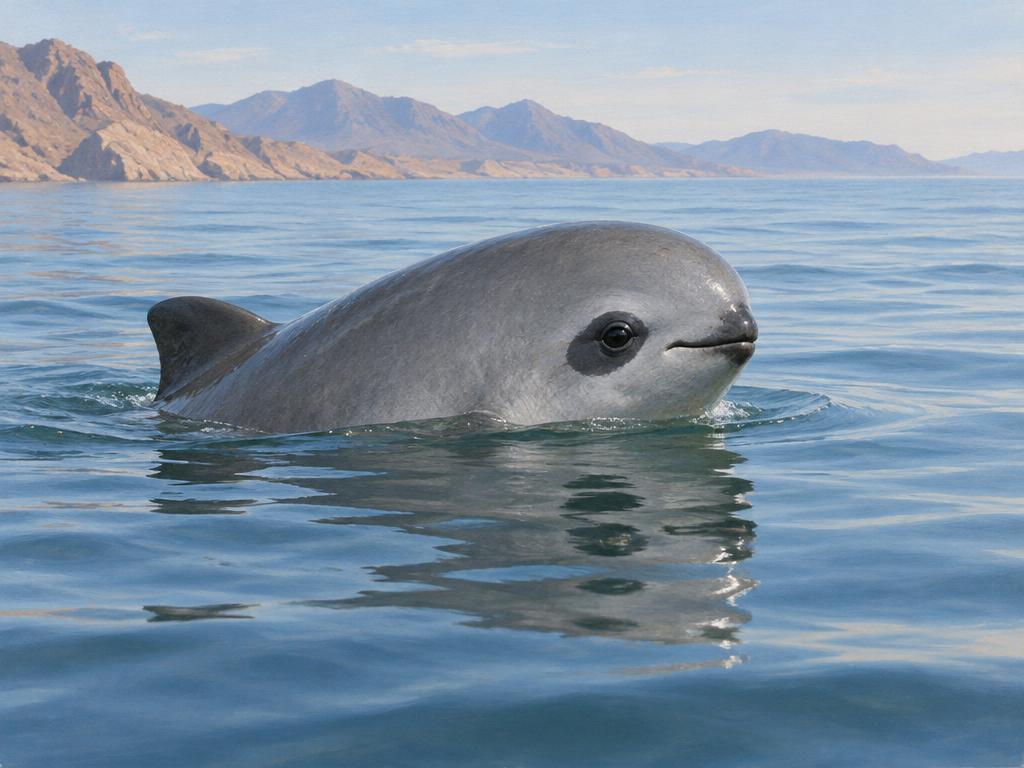
Phocoena sinus
Habitat: Gulf of California · Mexico
Threats: Entanglement in illegal gillnets set for totoaba fish, driven by demand for their swim bladders.
How to help: Support the removal of illegal nets and demand for seafood caught with vaquita-safe practices.
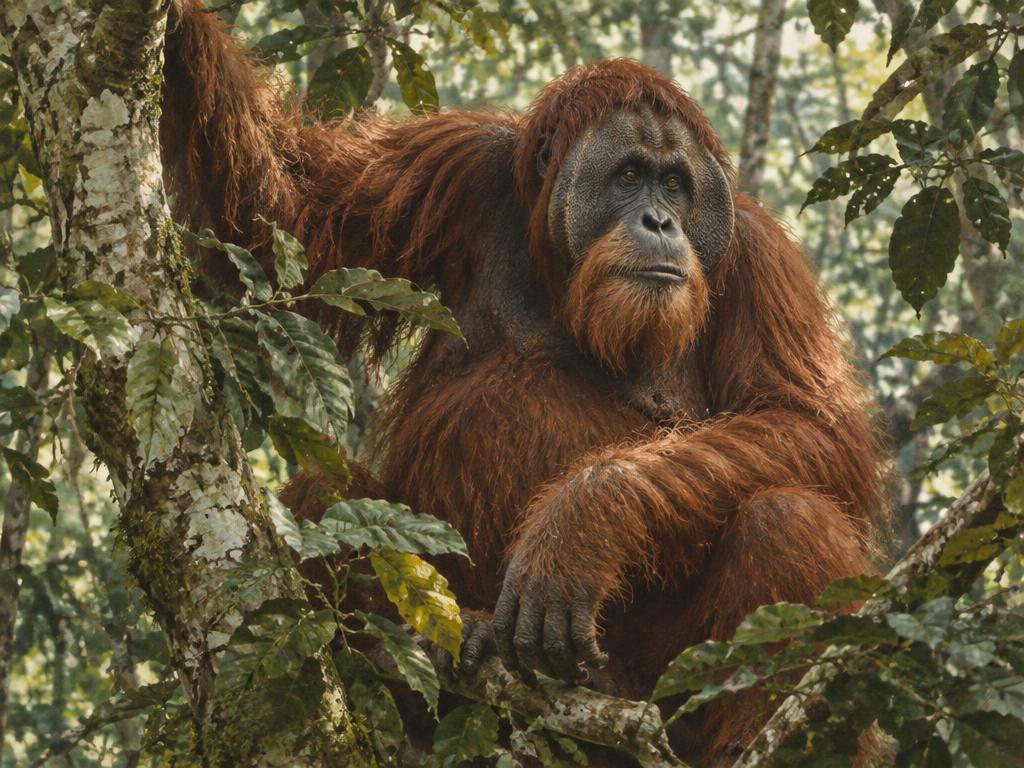
Pongo abelii
Habitat: Tropical rainforest · Sumatra, Indonesia
Threats: Deforestation for palm oil and pulp plantations, and the illegal pet trade.
How to help: Choose certified sustainable palm oil and support forest conservation and orangutan rehabilitation programmes.
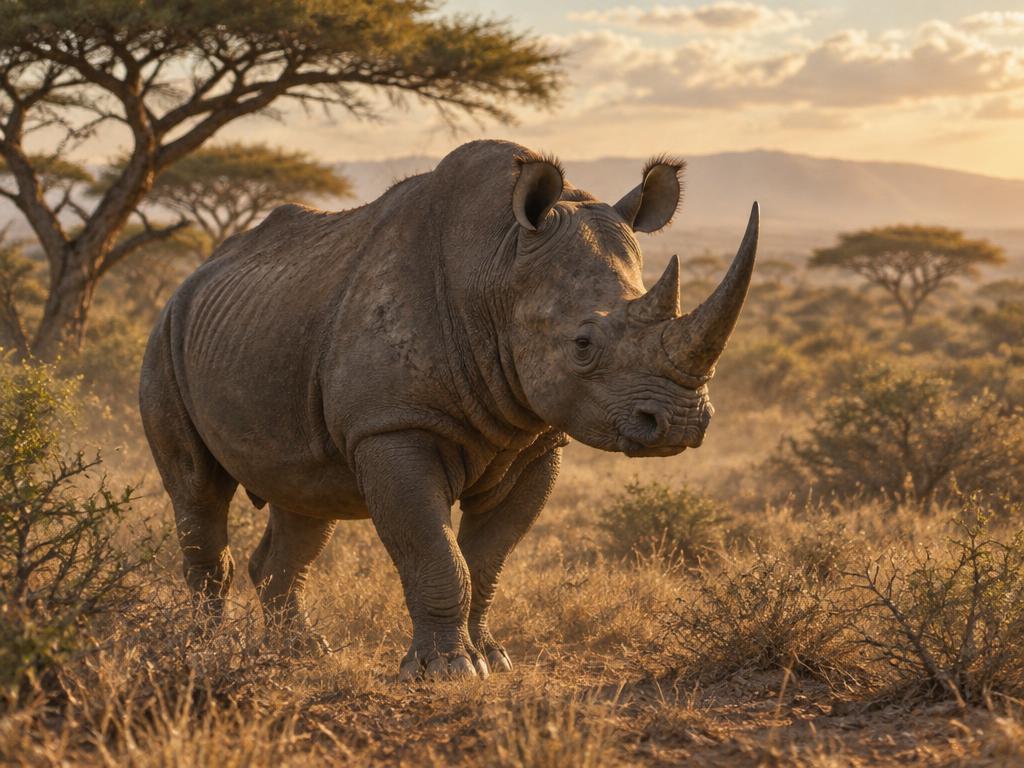
Diceros bicornis
Habitat: Savanna and scrub · Southern and East Africa
Threats: Poaching driven by demand for horn, and habitat loss.
How to help: Support ranger teams, dehorning and community conservation programmes that make rhinos worth more alive.
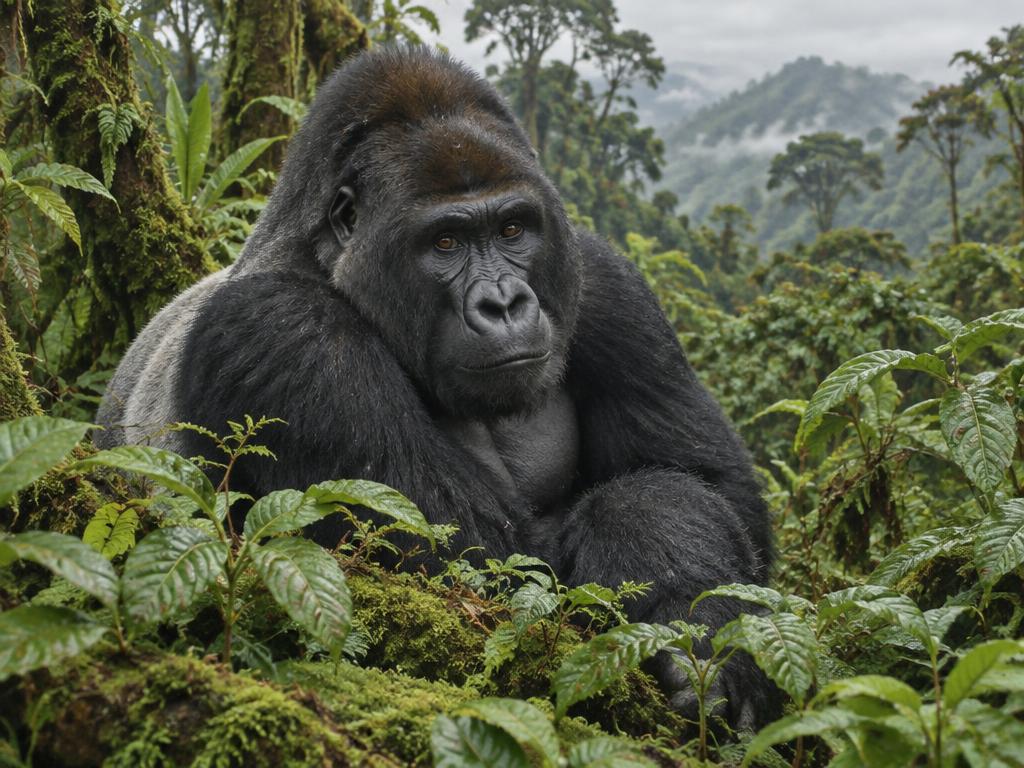
Gorilla gorilla diehli
Habitat: Highland forests · Nigeria and Cameroon
Threats: Hunting, habitat fragmentation and human pressure on small forest patches.
How to help: Support protected-area rangers and community forest programmes that keep their hill forests connected.
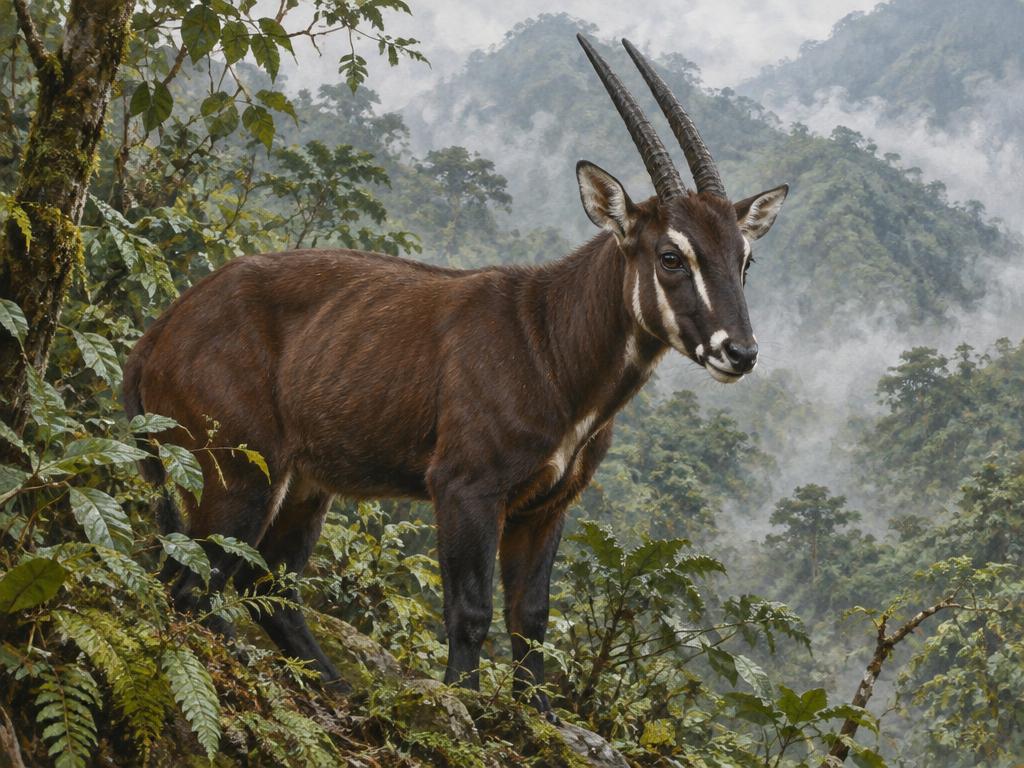
Pseudoryx nghetinhensis
Habitat: Annamite mountains · Vietnam and Laos
Threats: Snares set for other animals, habitat loss and a population so small it may already be functionally extinct.
How to help: Support snare-removal patrols and efforts to end the demand for wild-caught bushmeat.
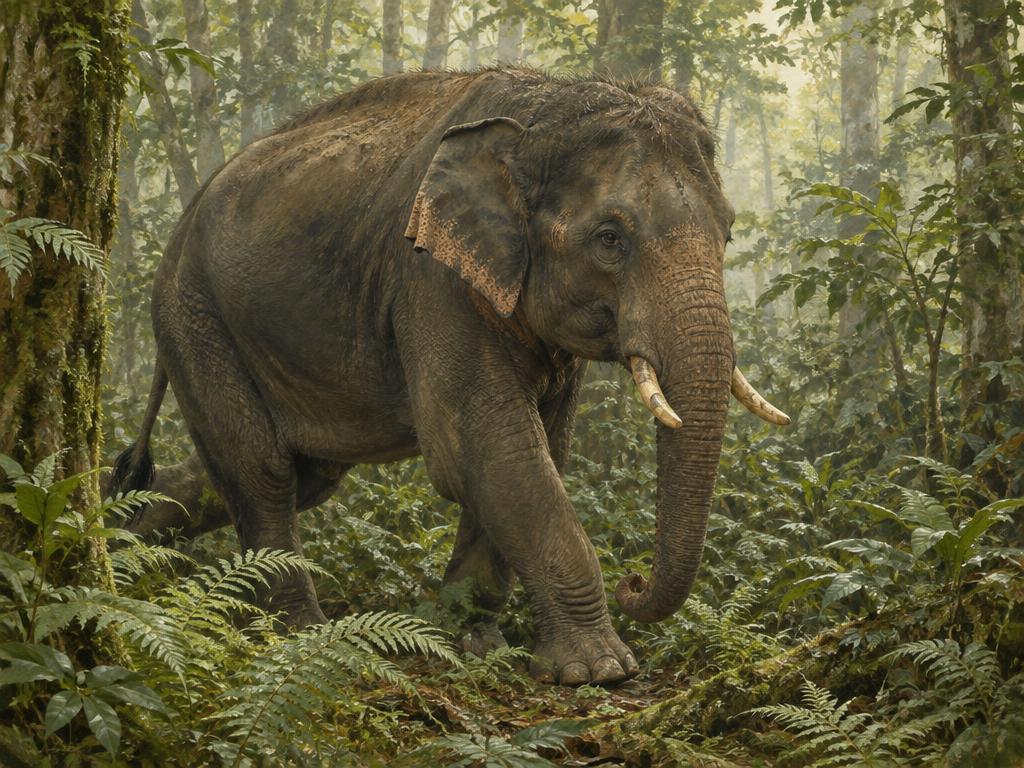
Elephas maximus sumatranus
Habitat: Tropical forest · Sumatra, Indonesia
Threats: Deforestation for plantations, habitat fragmentation and human–elephant conflict.
How to help: Support projects that protect forest corridors and help farmers live alongside elephants.

Pongo pygmaeus
Habitat: Tropical rainforest · Borneo
Threats: Logging and clearing for plantations, plus hunting and the illegal pet trade.
How to help: Choose certified sustainable palm oil and support forest protection and rehabilitation centres.
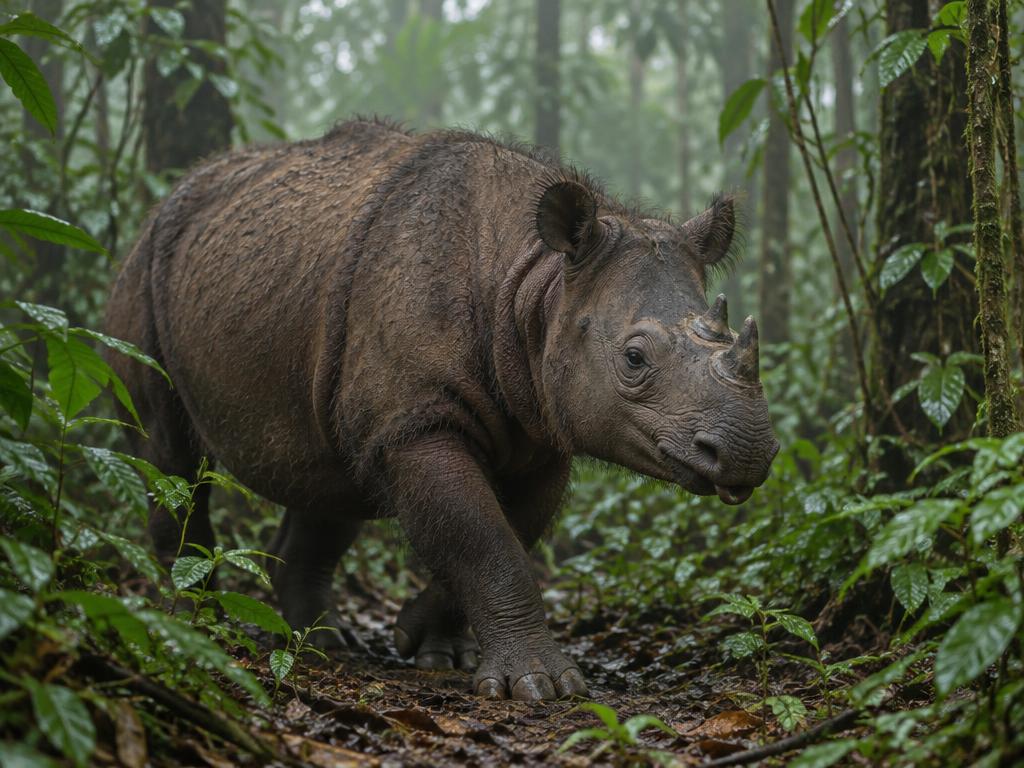
Dicerorhinus sumatrensis
Habitat: Tropical forest · Sumatra and Borneo
Threats: Poaching for horn and the loss and fragmentation of lowland forest.
How to help: Support protected sanctuaries, snare removal and anti-poaching patrols in its remaining forest.

Pithecophaga jefferyi
Habitat: Rainforest · Philippines
Threats: Loss of lowland forest and hunting of both the birds and the monkeys and lemurs they feed on.
How to help: Support protected forest in its remaining range and community patrols that guard nest trees.
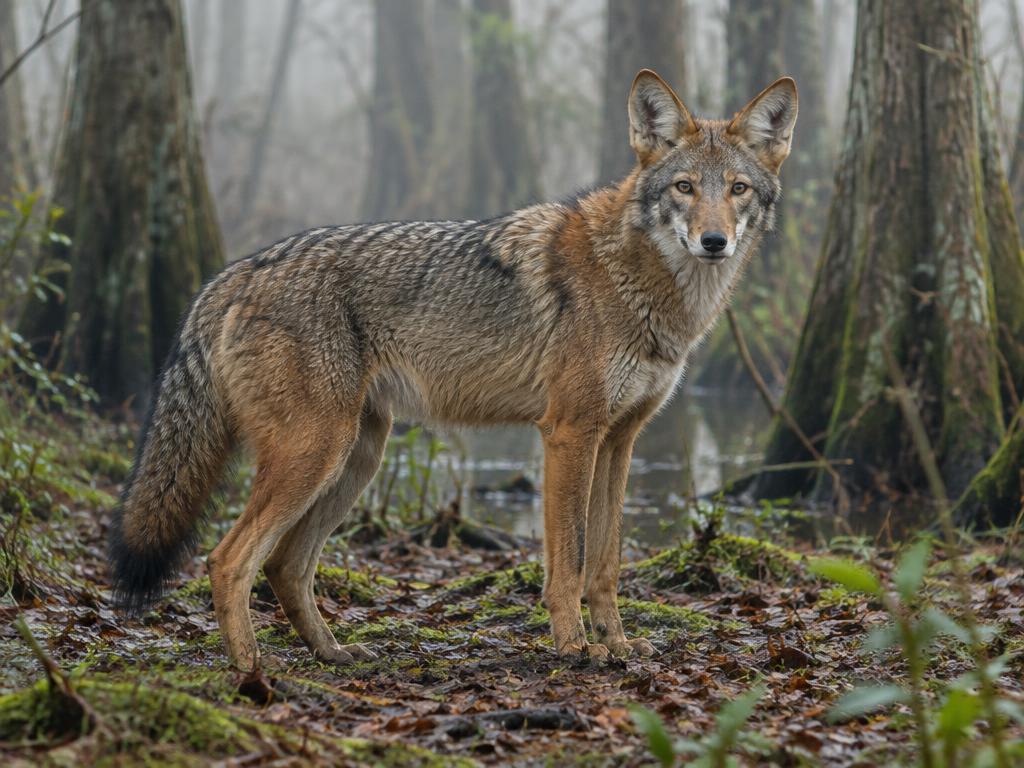
Canis rufus
Habitat: Woodlands and coastal plain · southeastern United States
Threats: Hybridisation with coyotes, accidental killing by humans and a very small captive-bred population.
How to help: Support breeding and release programmes and landowner efforts that keep wild wolves alive.
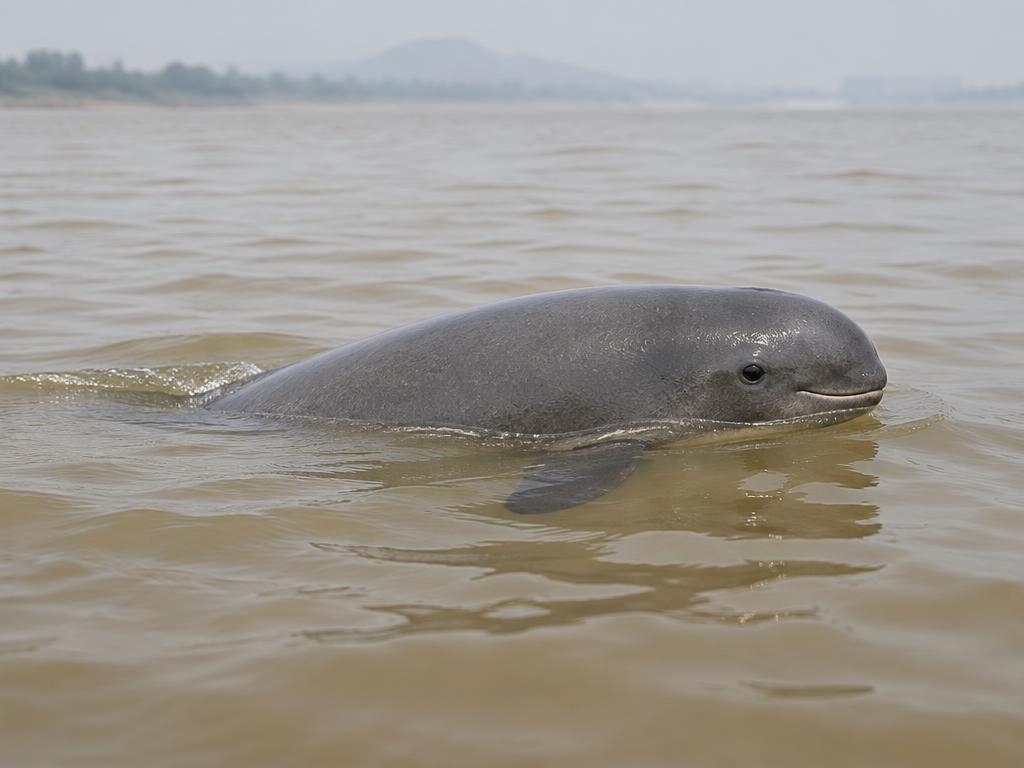
Neophocaena asiaeorientalis
Habitat: Yangtze River · China
Threats: Boat strikes, fishing nets, pollution and the noise and sand extraction that disturb the river.
How to help: Support river protection, fishing closures and efforts to keep the Yangtze shallow and unpolluted.
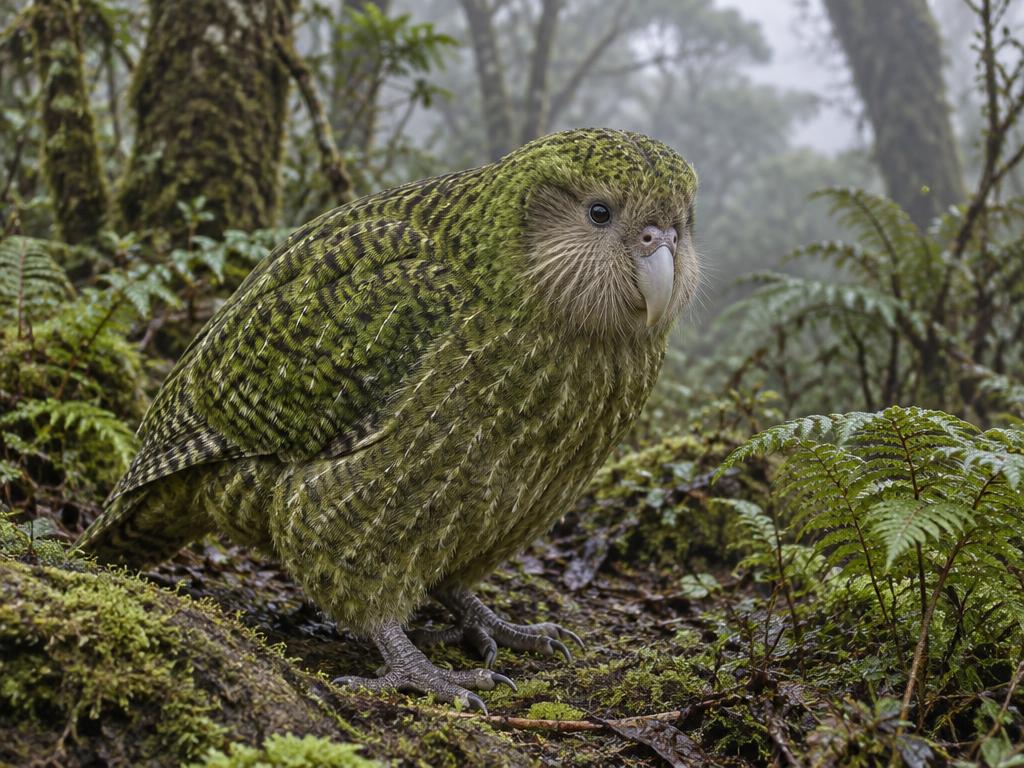
Strigops habroptilus
Habitat: Island forests · New Zealand
Threats: Introduced predators, and slow breeding tied to ripening fruit that makes recovery difficult.
How to help: Support predator-free sanctuaries and intensive recovery programmes for every remaining bird.
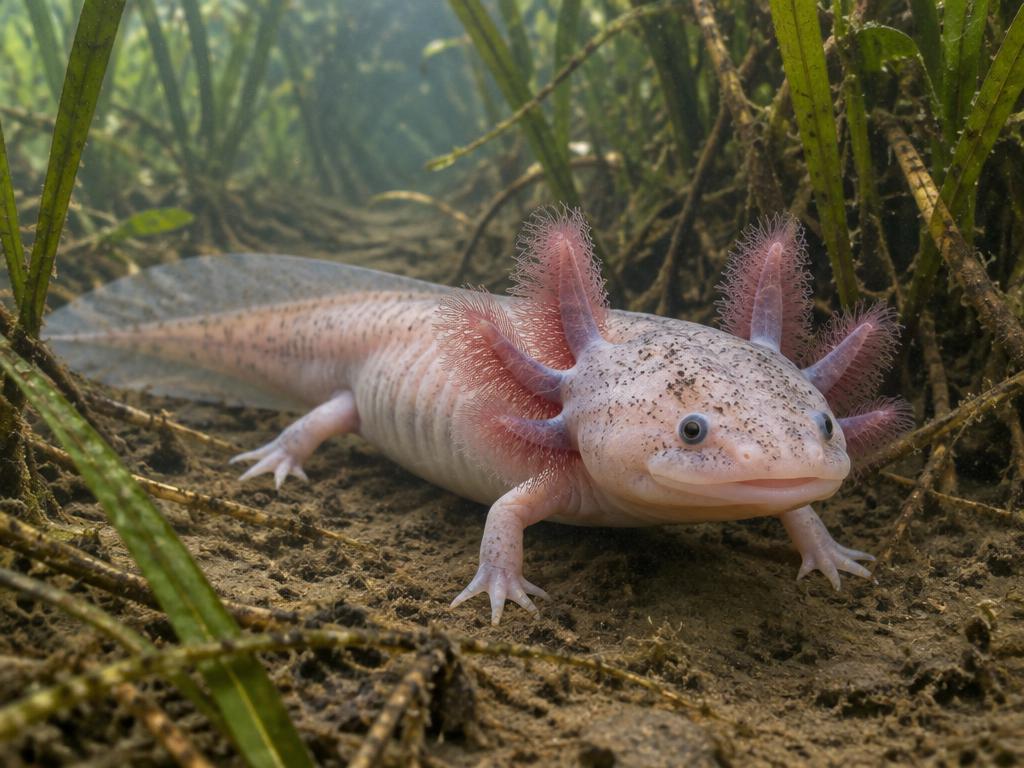
Ambystoma mexicanum
Habitat: Canals and channels · Xochimilco, Mexico
Threats: Draining and pollution of the canals, invasive fish and urban expansion around Mexico City.
How to help: Support restoration of the Xochimilco wetlands and clean, predator-free water channels.
Want more detail on each animal? See the critically endangered animals page.