“Critically Endangered” is an IUCN Red List category. These are seventeen examples, not a complete list; follow the sources for current assessments.
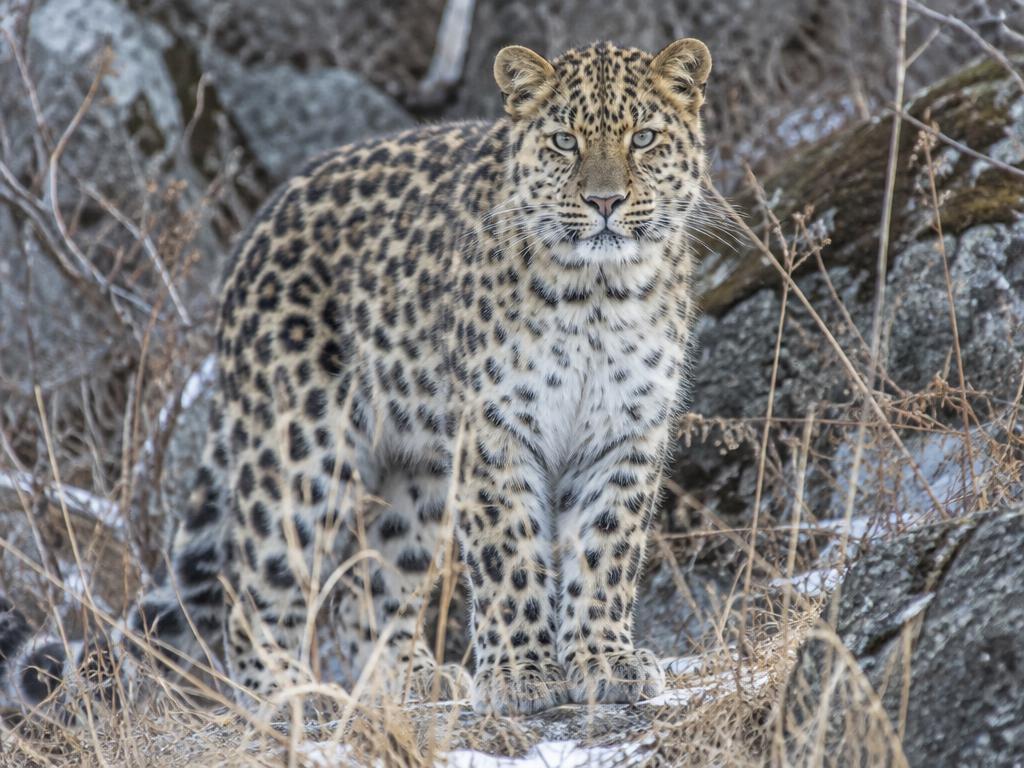
IUCN Red List Critically Endangered Amur leopard Panthera pardus orientalis
Temperate forests · East Asia
A solitary leopard of the forests of Russia’s Far East and northeastern China, with a thick coat adapted to cold winters.
What threatens them Poaching, reduced prey and habitat loss or fragmentation.
A way to help Support forest protection, wildlife corridors and anti-poaching programmes.
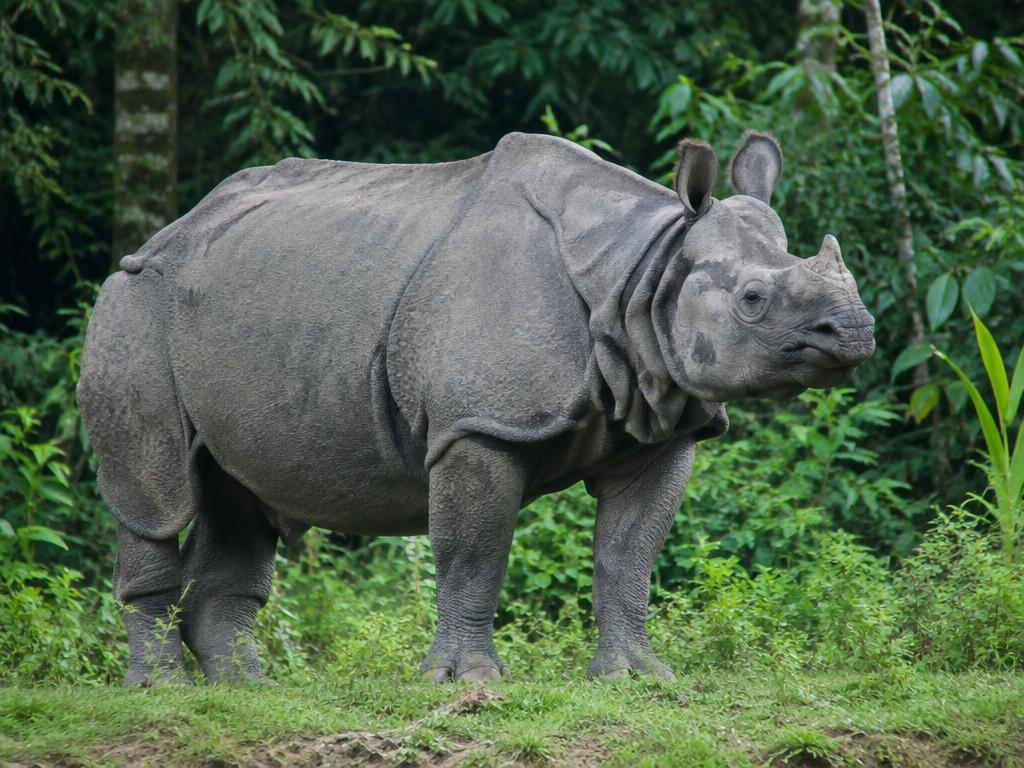
Read more at WWF Critically Endangered Javan rhinoceros Rhinoceros sondaicus
Tropical forest · Indonesia
A forest-dwelling rhino with a single horn and distinctive skin folds, surviving in a very restricted range.
What threatens them Poaching risk and the vulnerability of a species concentrated in a single area.
A way to help Support habitat protection, ranger programmes and wildlife monitoring.
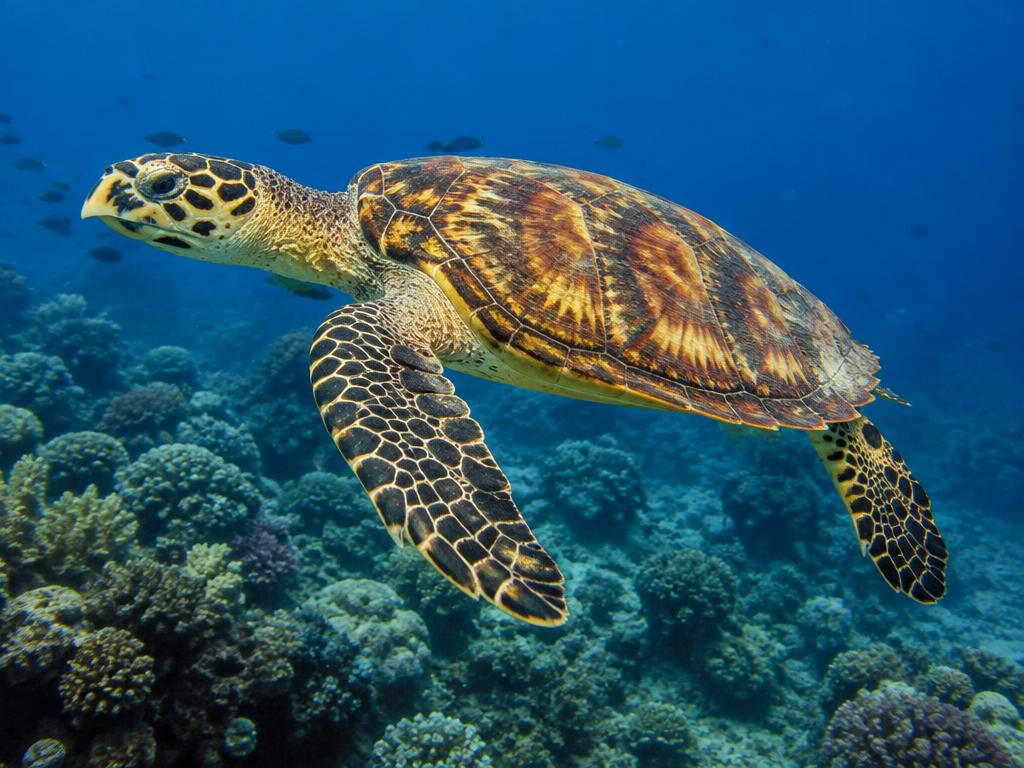
Read more at WWF Critically Endangered Hawksbill turtle Eretmochelys imbricata
Coral reefs · Tropical oceans
Recognised by its pointed beak and patterned shell, this sea turtle feeds largely on sponges among coral reefs.
What threatens them Tortoiseshell trade, fishing-gear bycatch and damage to nesting and feeding habitats.
A way to help Avoid tortoiseshell products and support protected nesting beaches and safer fishing practices.
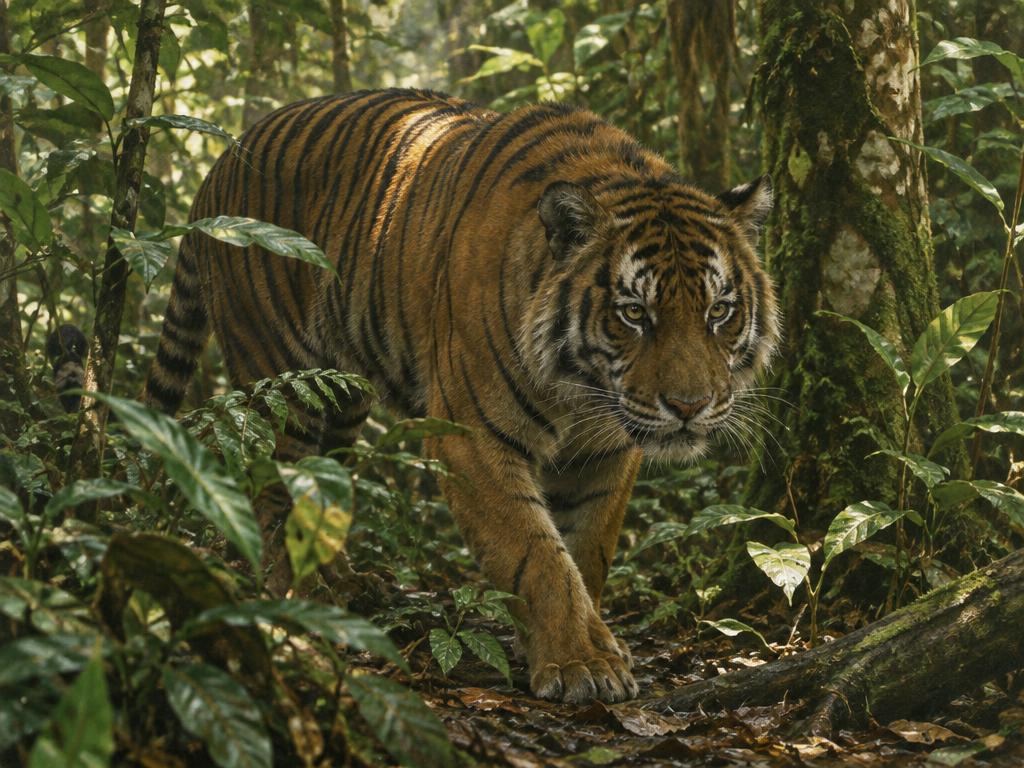
Read more at WWF Critically Endangered Sunda tiger Panthera tigris sondaica
Tropical rainforest · Sumatra, Indonesia
The last surviving island tiger, smaller and darker than its mainland cousins, with distinctive crossed stripes on its forelegs.
What threatens them Poaching for the illegal wildlife trade, habitat loss and declining prey.
A way to help Support anti-poaching patrols and projects that protect forest corridors and reduce human–tiger conflict.
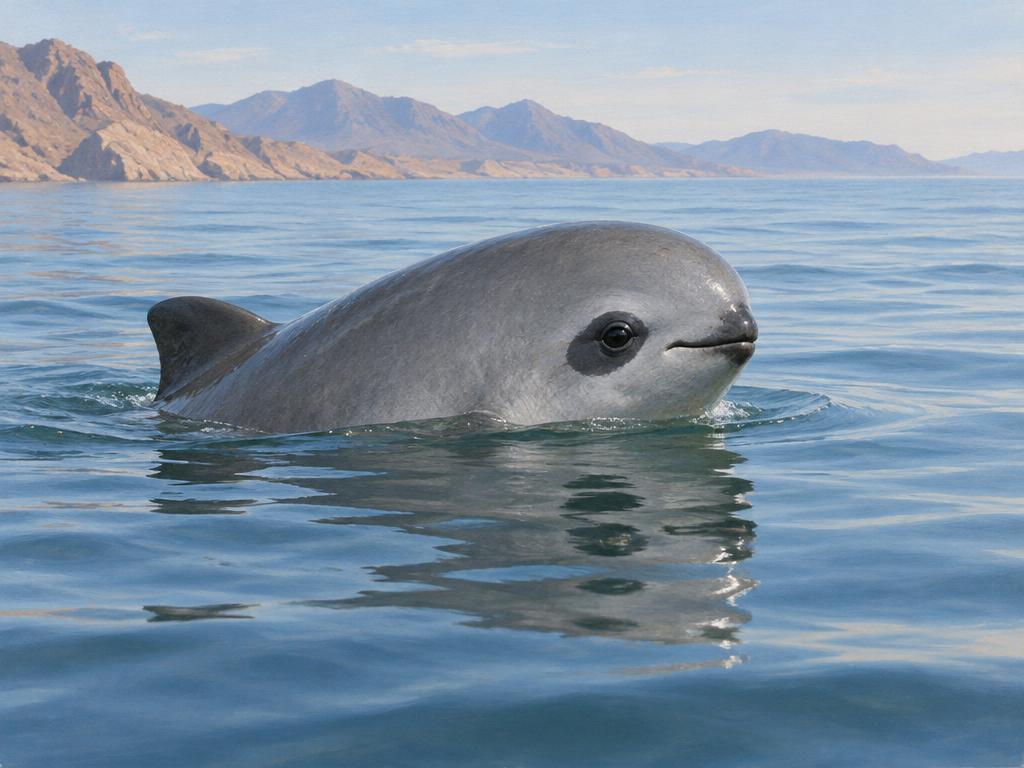
Read more at WWF Critically Endangered Vaquita Phocoena sinus
Gulf of California · Mexico
The world’s most endangered marine mammal — a small porpoise with dark eye patches that was only described by science in 1958.
What threatens them Entanglement in illegal gillnets set for totoaba fish, driven by demand for their swim bladders.
A way to help Support the removal of illegal nets and demand for seafood caught with vaquita-safe practices.
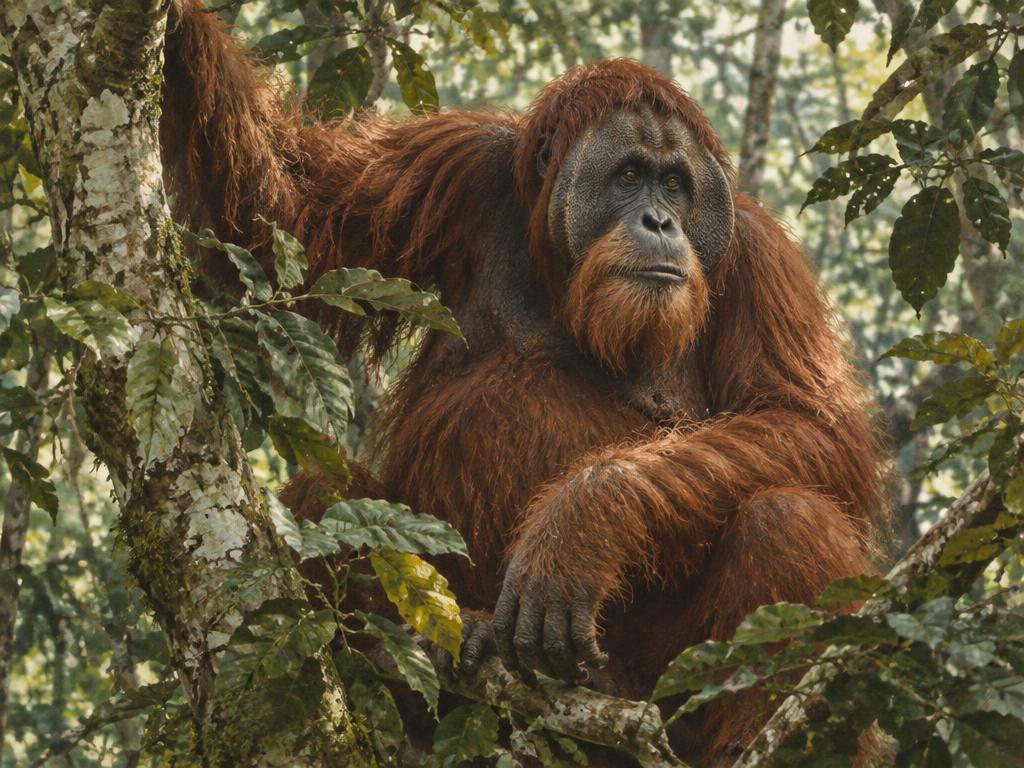
Read more at WWF Critically Endangered Sumatran orangutan Pongo abelii
Tropical rainforest · Sumatra, Indonesia
Highly intelligent great apes that spend almost their entire lives in trees, building a new nest each night and spreading seeds as they feed.
What threatens them Deforestation for palm oil and pulp plantations, and the illegal pet trade.
A way to help Choose certified sustainable palm oil and support forest conservation and orangutan rehabilitation programmes.
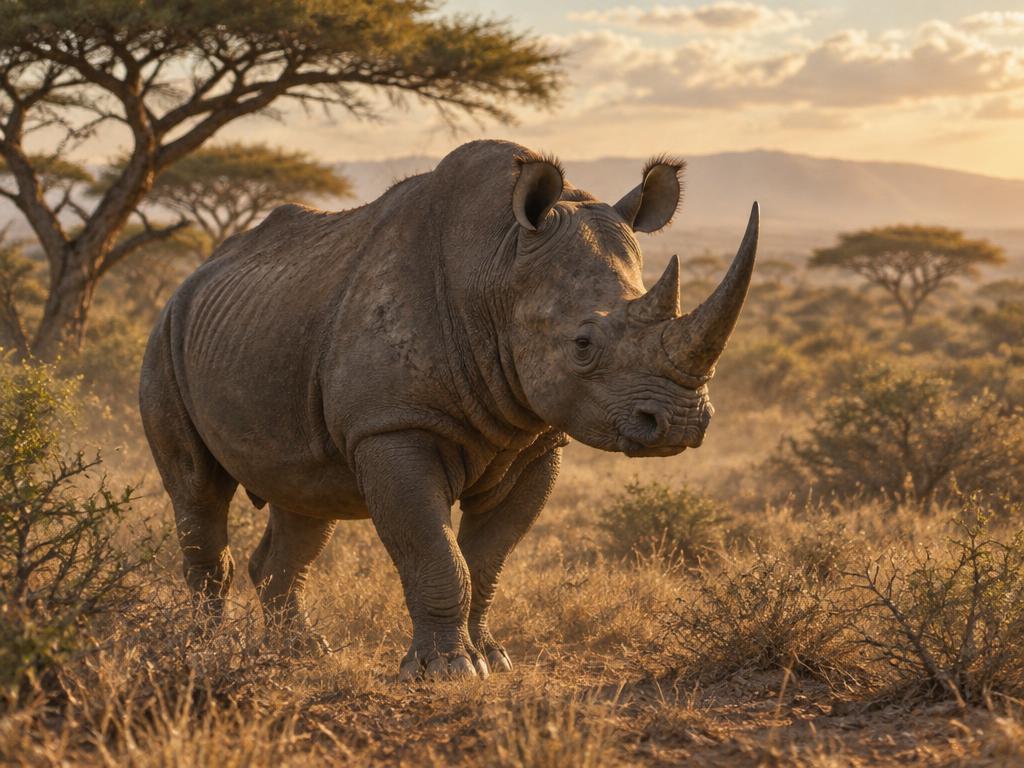
Read more at WWF Critically Endangered Black rhinoceros Diceros bicornis
Savanna and scrub · Southern and East Africa
A hook-lipped browser that feeds on woody plants, now reduced to a fraction of the population that roamed Africa in the twentieth century.
What threatens them Poaching driven by demand for horn, and habitat loss.
A way to help Support ranger teams, dehorning and community conservation programmes that make rhinos worth more alive.
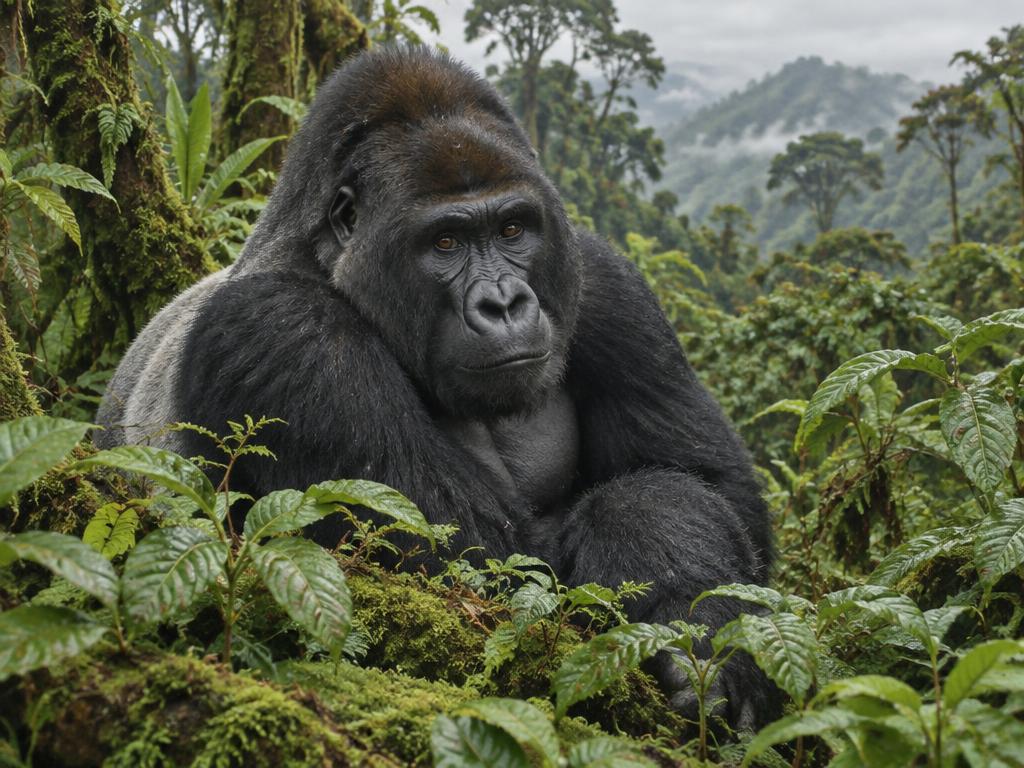
Read more at WWF Critically Endangered Cross River gorilla Gorilla gorilla diehli
Highland forests · Nigeria and Cameroon
The most endangered great ape, living in rugged, sparsely populated hills at the headwaters of the Cross River. Fewer than 300 remain.
What threatens them Hunting, habitat fragmentation and human pressure on small forest patches.
A way to help Support protected-area rangers and community forest programmes that keep their hill forests connected.
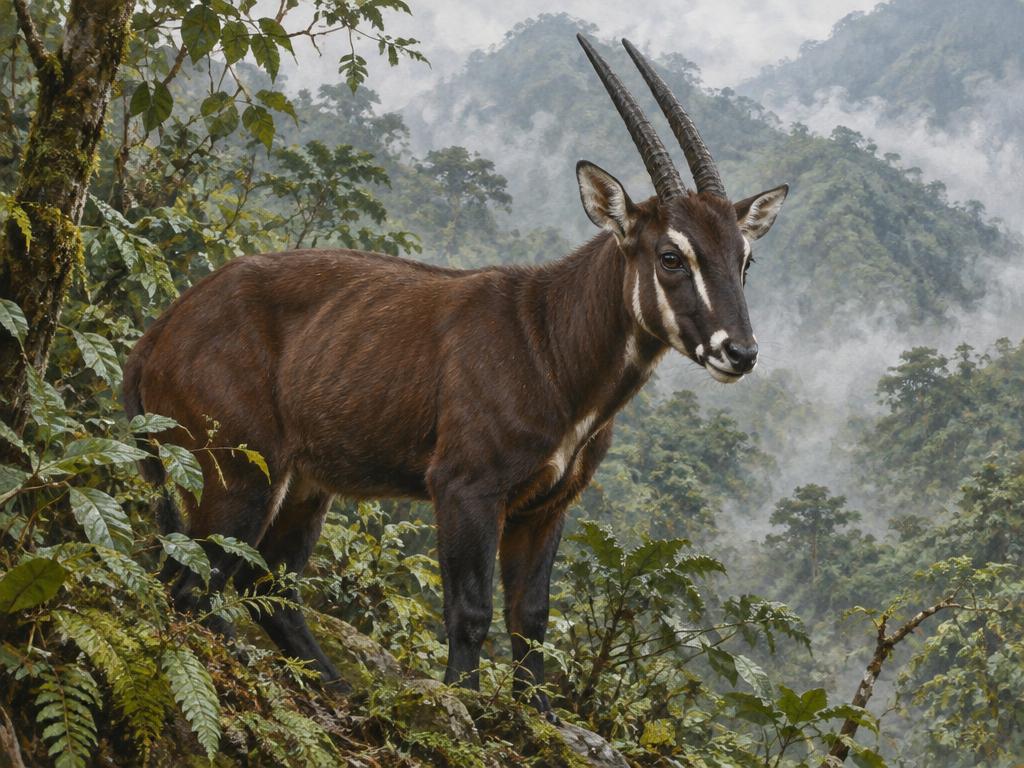
Read more at WWF Critically Endangered Saola Pseudoryx nghetinhensis
Annamite mountains · Vietnam and Laos
Discovered only in 1992, this gentle, horned forest mammal is so elusive it has been called the Asian unicorn — almost never seen in the wild.
What threatens them Snares set for other animals, habitat loss and a population so small it may already be functionally extinct.
A way to help Support snare-removal patrols and efforts to end the demand for wild-caught bushmeat.
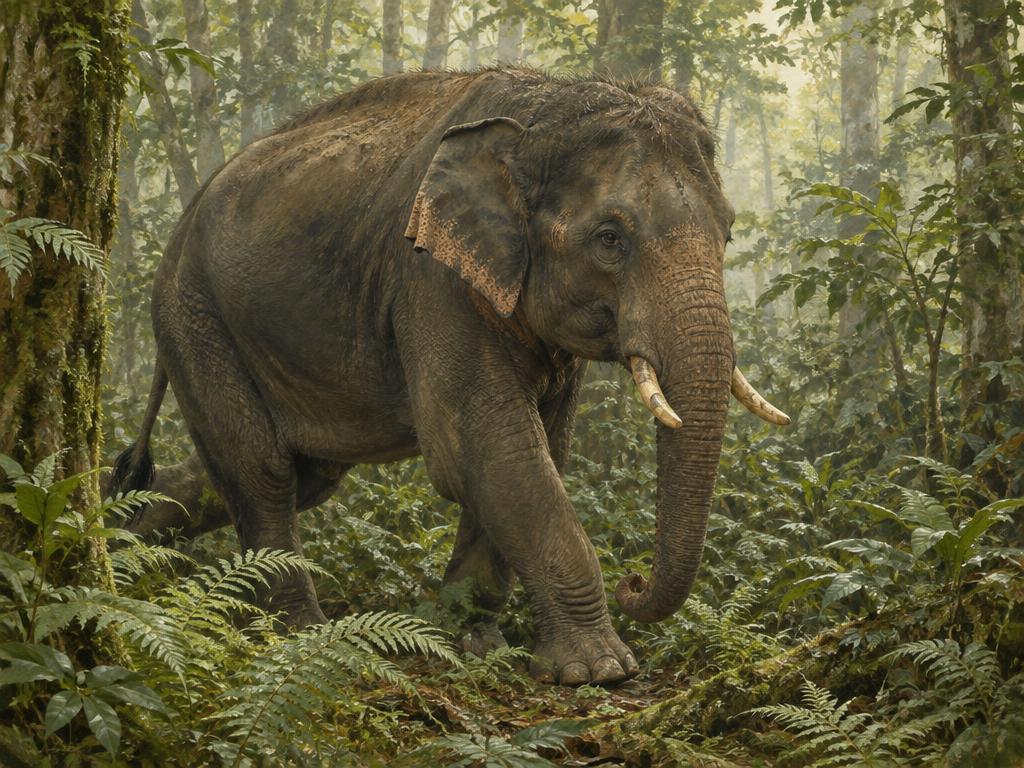
Read more at WWF Critically Endangered Sumatran elephant Elephas maximus sumatranus
Tropical forest · Sumatra, Indonesia
A smaller subspecies of Asian elephant that plays a vital role in the forest, clearing paths and dispersing seeds as it feeds.
What threatens them Deforestation for plantations, habitat fragmentation and human–elephant conflict.
A way to help Support projects that protect forest corridors and help farmers live alongside elephants.
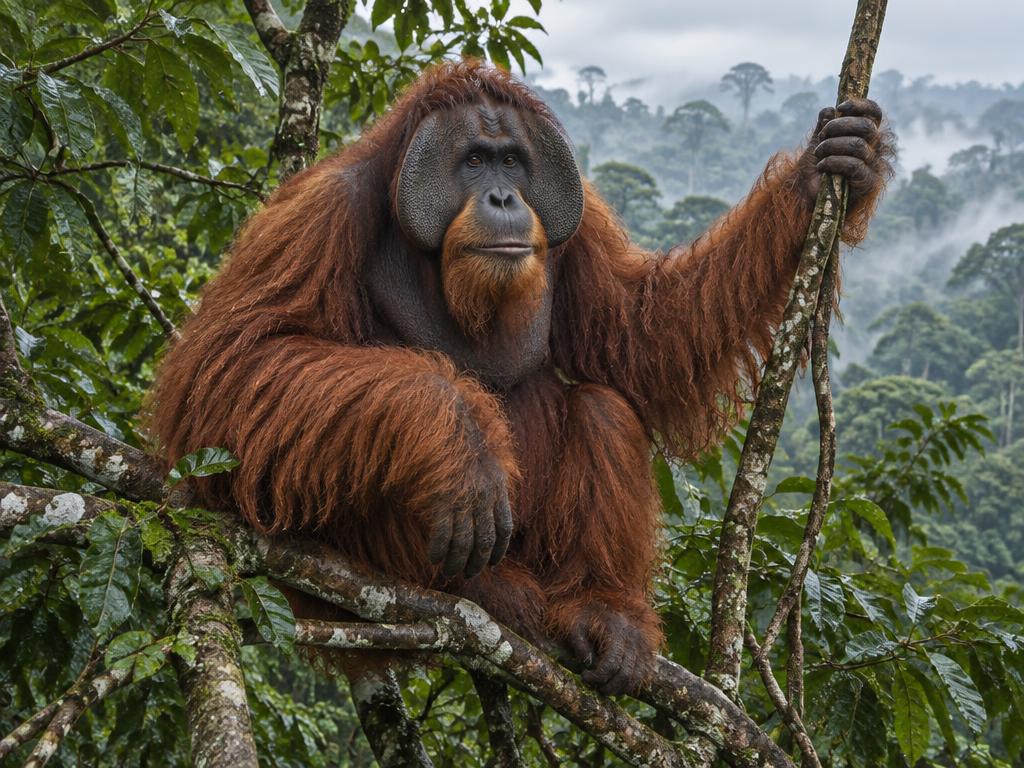
Read more at WWF Critically Endangered Bornean orangutan Pongo pygmaeus
Tropical rainforest · Borneo
A long-haired great ape that moves through the canopy almost without touching the ground, remembering fruiting trees across a vast home range.
What threatens them Logging and clearing for plantations, plus hunting and the illegal pet trade.
A way to help Choose certified sustainable palm oil and support forest protection and rehabilitation centres.
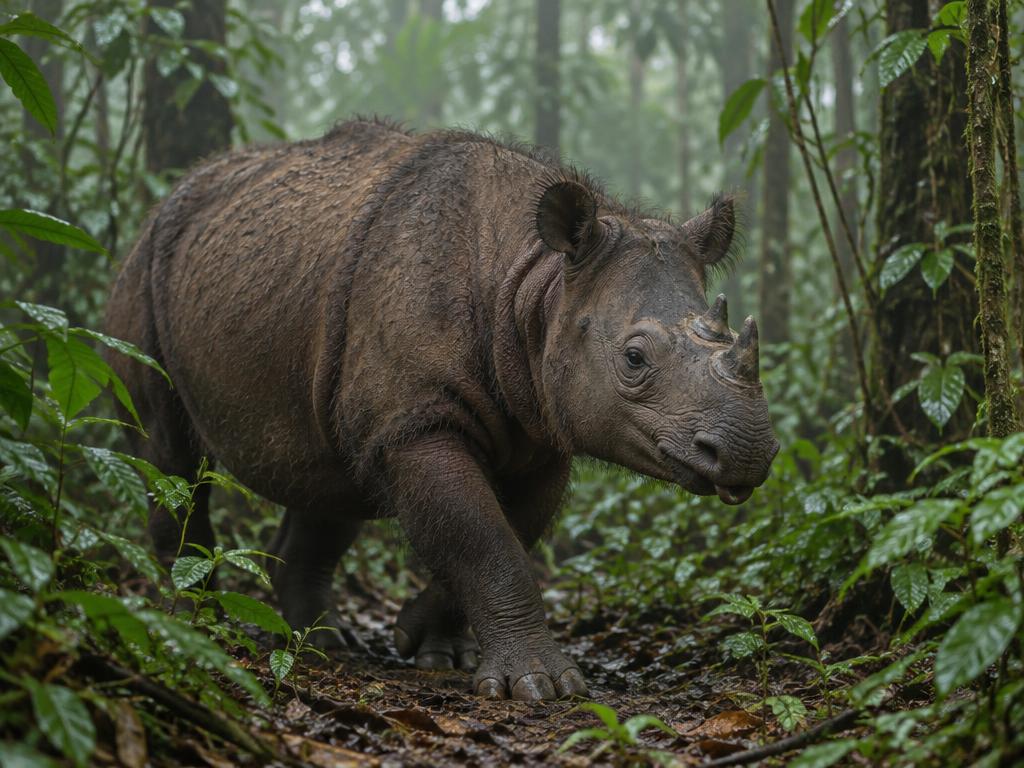
Read more at the IUCN Red List Critically Endangered Sumatran rhinoceros Dicerorhinus sumatrensis
Tropical forest · Sumatra and Borneo
The smallest surviving rhino and the only hairy one, with two horns and a shy, solitary nature, down to a few dozen individuals.
What threatens them Poaching for horn and the loss and fragmentation of lowland forest.
A way to help Support protected sanctuaries, snare removal and anti-poaching patrols in its remaining forest.
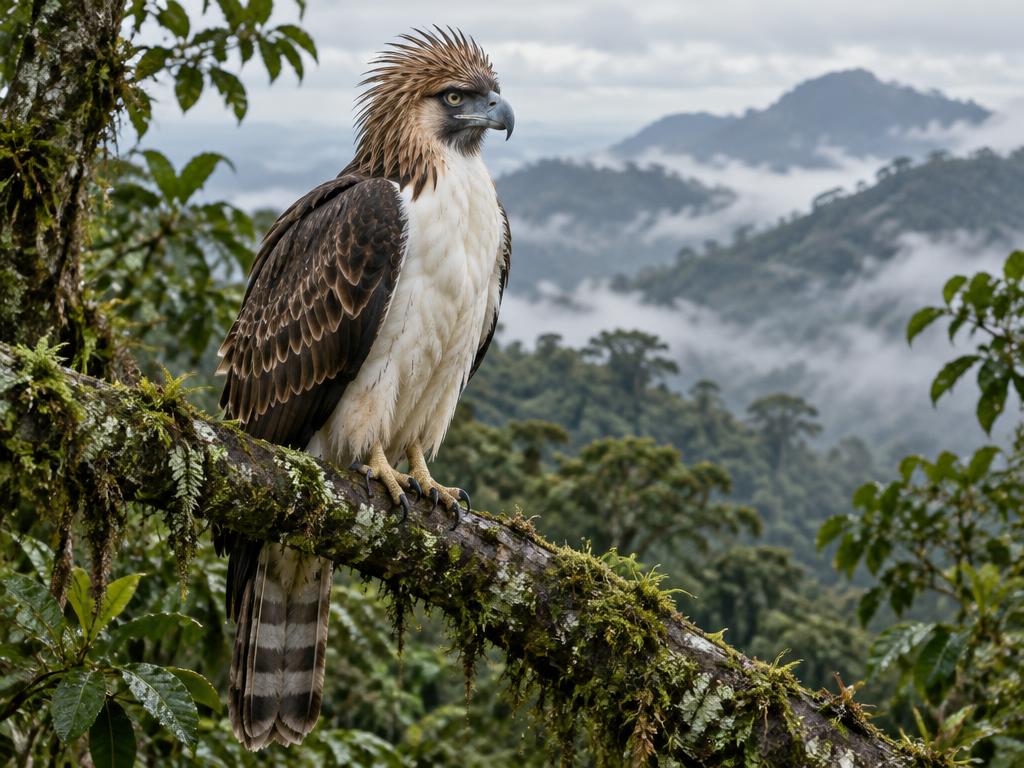
Read more at the IUCN Red List Critically Endangered Philippine eagle Pithecophaga jefferyi
Rainforest · Philippines
One of the largest eagles in the world, with a shaggy cinnamon crest, raised by the Philippines as its national bird.
What threatens them Loss of lowland forest and hunting of both the birds and the monkeys and lemurs they feed on.
A way to help Support protected forest in its remaining range and community patrols that guard nest trees.
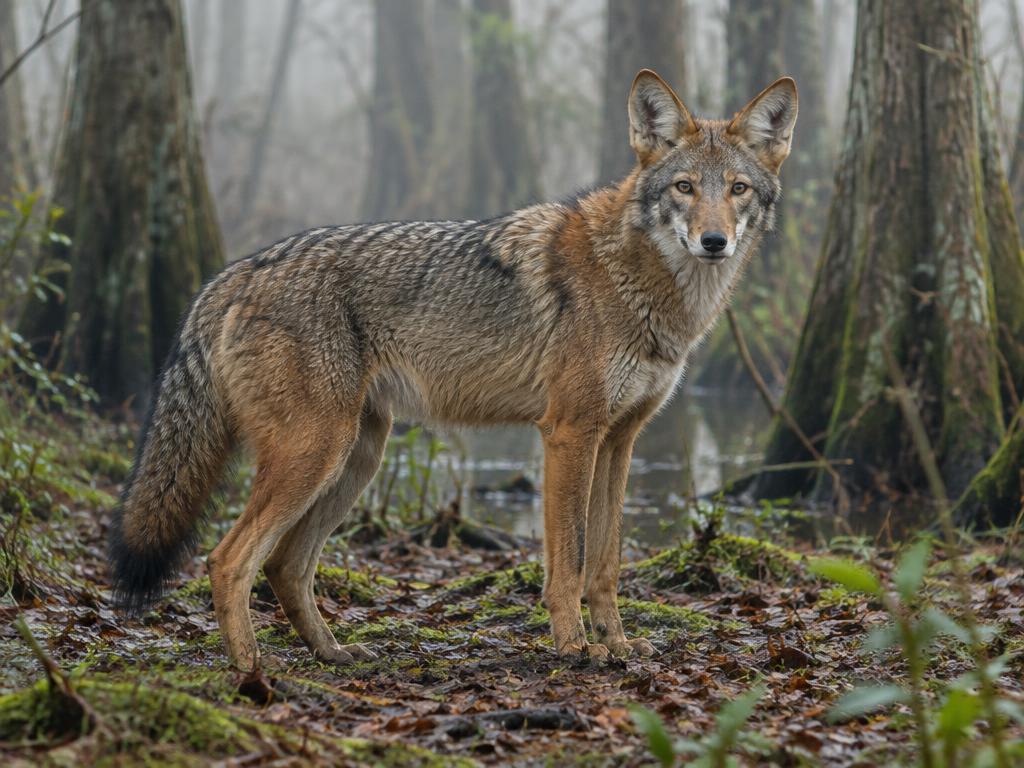
Read more at the IUCN Red List Critically Endangered Red wolf Canis rufus
Woodlands and coastal plain · southeastern United States
A slender, reddish-coated wolf once common across the south-east, declared extinct in the wild in 1980 and since reintroduced in small numbers.
What threatens them Hybridisation with coyotes, accidental killing by humans and a very small captive-bred population.
A way to help Support breeding and release programmes and landowner efforts that keep wild wolves alive.
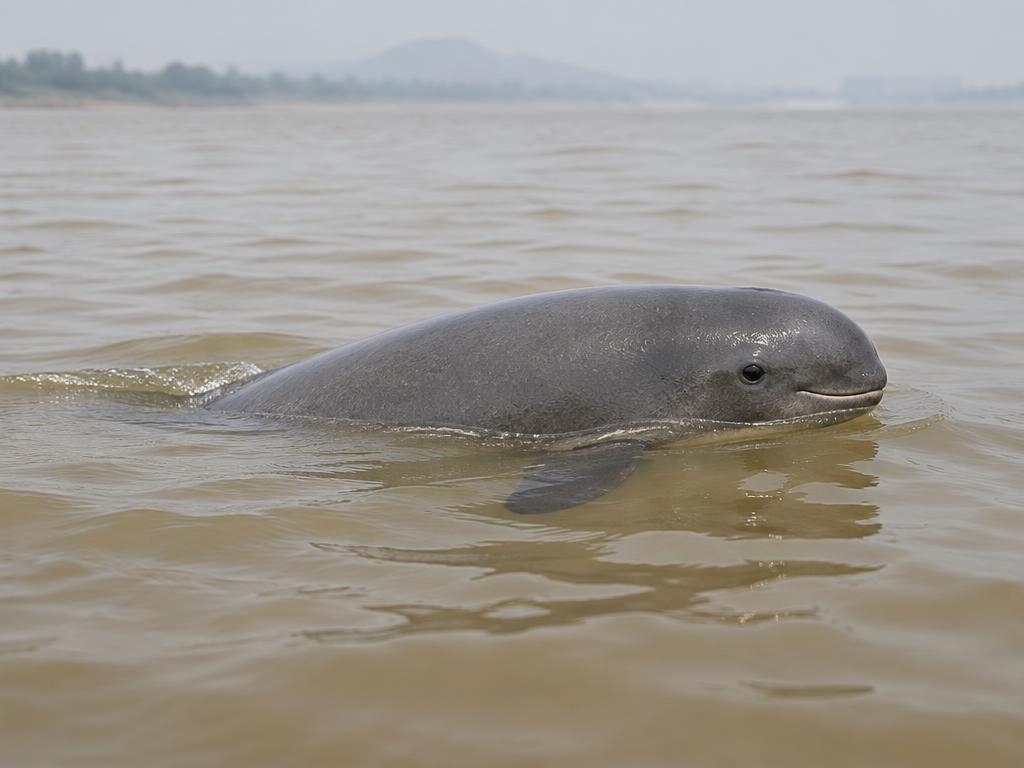
Read more at the IUCN Red List Critically Endangered Yangtze finless porpoise Neophocaena asiaeorientalis
Yangtze River · China
A smooth-backed porpoise with no dorsal fin at all, the only porpoise that lives entirely in freshwater.
What threatens them Boat strikes, fishing nets, pollution and the noise and sand extraction that disturb the river.
A way to help Support river protection, fishing closures and efforts to keep the Yangtze shallow and unpolluted.
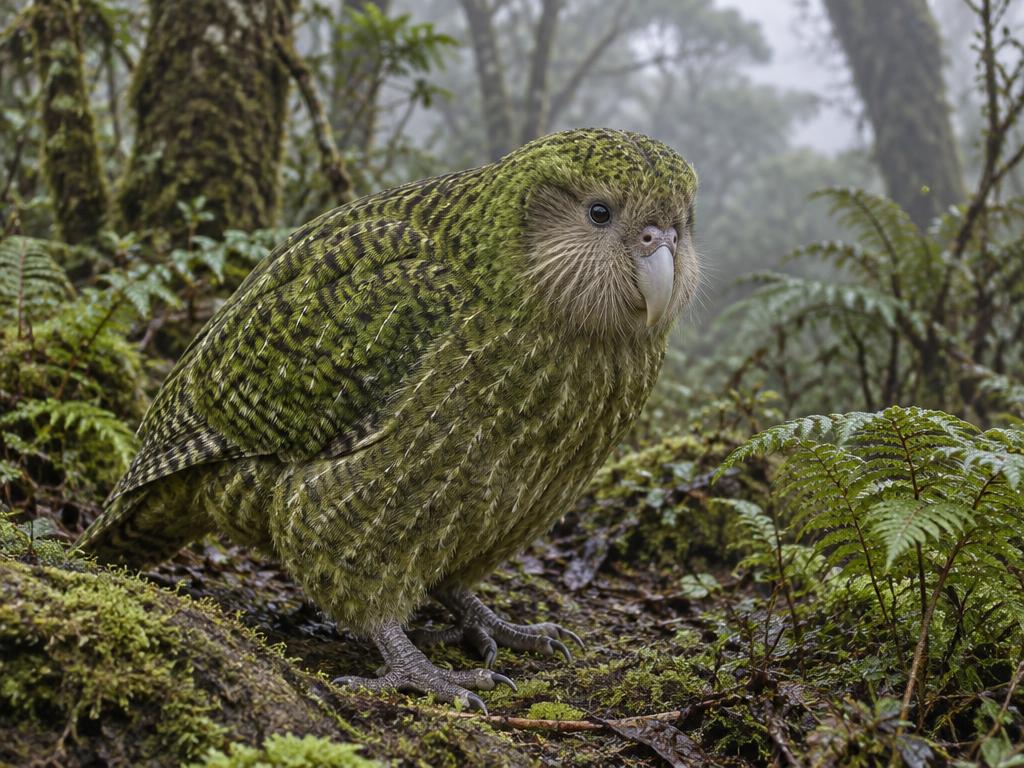
Read more at the IUCN Red List Critically Endangered Kākāpō Strigops habroptilus
Island forests · New Zealand
A moss-green, flightless, nocturnal parrot that smells of moss and must be protected from introduced predators.
What threatens them Introduced predators, and slow breeding tied to ripening fruit that makes recovery difficult.
A way to help Support predator-free sanctuaries and intensive recovery programmes for every remaining bird.
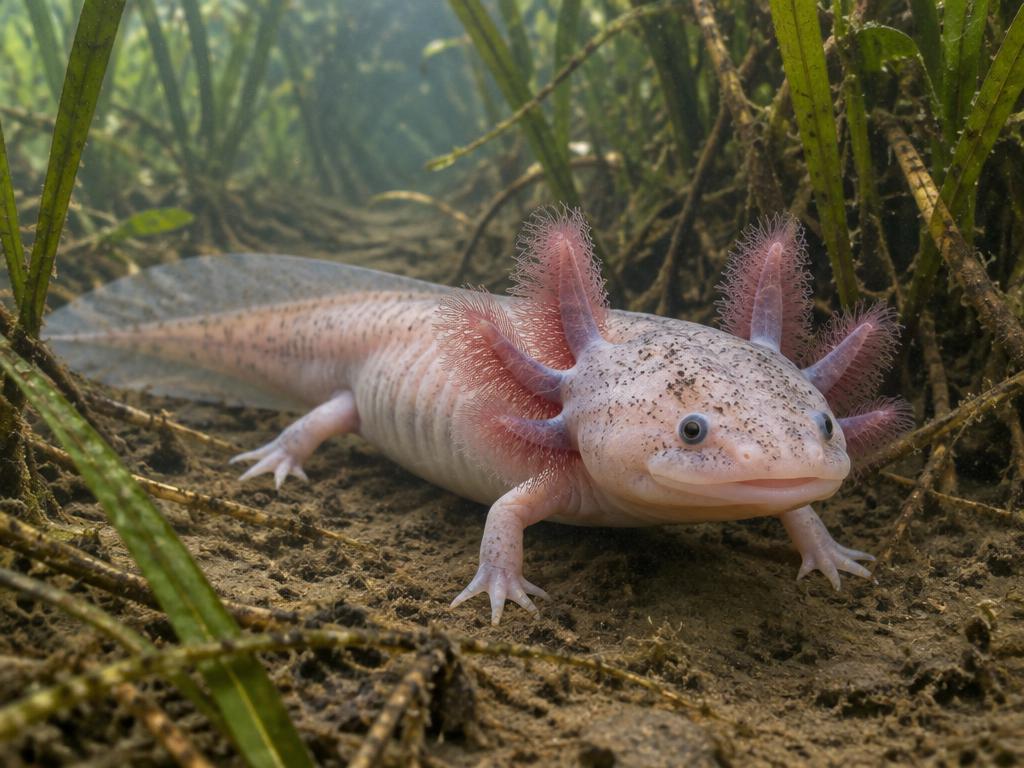
Read more at the IUCN Red List Critically Endangered Axolotl Ambystoma mexicanum
Canals and channels · Xochimilco, Mexico
A salamander that keeps its feathery gills and never fully leaves its larval form, famous for regrowing lost limbs and organs.
What threatens them Draining and pollution of the canals, invasive fish and urban expansion around Mexico City.
A way to help Support restoration of the Xochimilco wetlands and clean, predator-free water channels.
Read more at the IUCN Red List Species information: WWF and the IUCN Red List. Images are AI-generated illustrations, not field photographs.
Awareness is a beginning. Choose responsible wildlife tourism, avoid products made from threatened species, and look into established conservation organisations before donating. Respect wild animals and the habitats they depend on.
What does "critically endangered" mean? Critically Endangered is the highest risk category on the IUCN Red List before Extinct in the Wild. It means a species faces an extremely high risk of extinction in the wild, judged by things like a sharp population decline, a very small population or a tiny range.
Why are these animals at risk? The same threats come up again and again: habitat loss from deforestation and farming, poaching and the illegal wildlife trade, fishing nets and bycatch, pollution and climate change.
How can you help? Support trusted conservation groups, choose certified sustainable products such as palm oil and seafood, never buy wildlife souvenirs, and share what you learn. Teachers are welcome to use this page in class.